

The Central Bank (BCRA) has recorded historic currency purchases this year, but the recent liquidation of exports shows a shift in their destination. Instead of increasing reserves, the dollars are heading to the private sector, driven by demand from savers and companies.
During September, the BCRA reported an average daily purchase of USD 36 million, the highest figure since late August. However, by the third week of the month, the entity had only accumulated USD 205 million, leaving a daily average of just USD 15 million, compared to approximately USD 170 million that the agriculture sector liquidates daily. This behavior suggests that, as the agriculture sector continues selling, the question arises: “who takes the difference?”.
Experts from Portfolio Personal Inversiones (PPI) suggest that other sectors have been concentrating significant net demand, approximately USD 154 million per day so far this month, representing the highest daily record since October 2025. Demand includes importers, companies with foreign currency debts, and individuals acquiring dollars.
This increased demand has affected the BCRA’s intervention in the exchange market, with the wholesale dollar closing at $1.514,50, a 0.4% increase since the end of August. PPI indicated that the BCRA had to moderate its purchases to avoid significant displacement in the exchange rate.
Juan Manuel Truffa, from the consulting firm Outlier, noted that the supply in the market may be creating its own demand. Exporters may sell their foreign currency at the time of liquidation and buy it back, which allows them to remain dollarized. This means that an increase in supply does not guarantee a surplus to be absorbed by the BCRA.
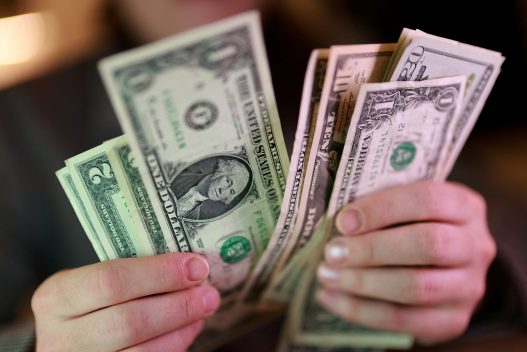
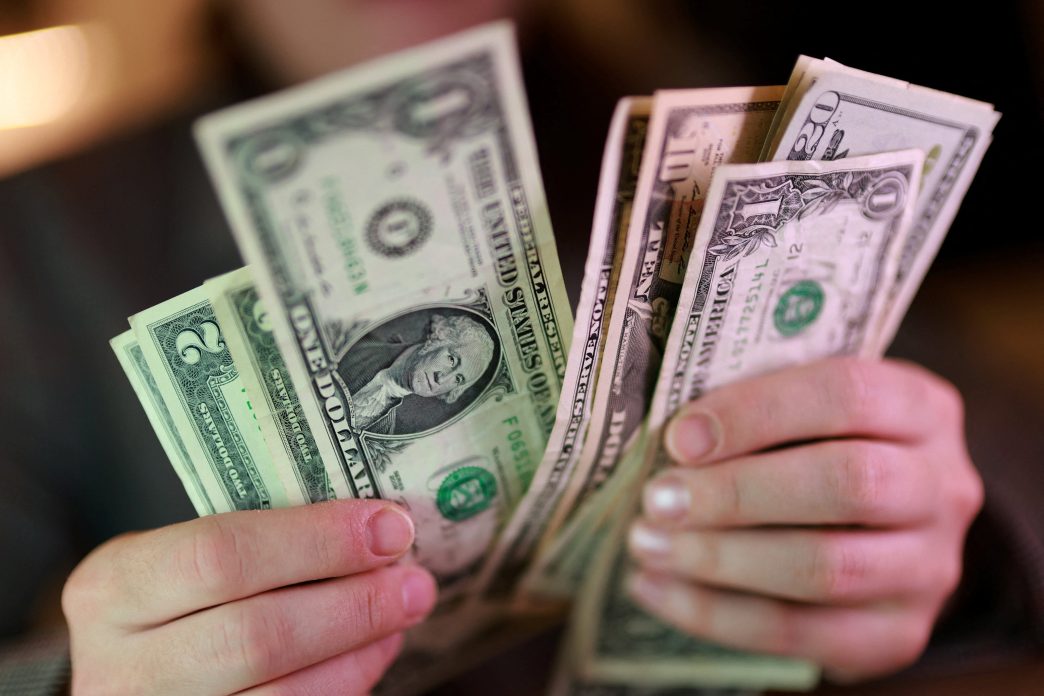
Since April 2025, cash purchases by individuals have experienced a remarkable increase. For example, in July, individuals acquired USD 3.319 million, representing a 36% increase compared to June. The average monthly purchases during May, June, and July have been USD 2.658 million, indicating that the demand for dollars from savers may be absorbing a significant portion of the foreign currency coming from export liquidations.
Francisco Díaz Mayer from ABC Mercado de Cambios identified three main destinations for the dollars not absorbed by the BCRA: imports, dividend payments, and cash purchases. It is estimated that individuals acquire around USD 2.500 million monthly, corresponding to USD 125 million per working day.
Source: www.infobae.com