

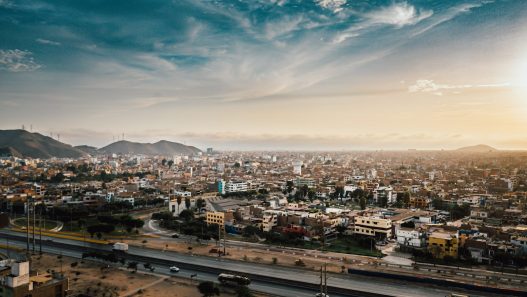
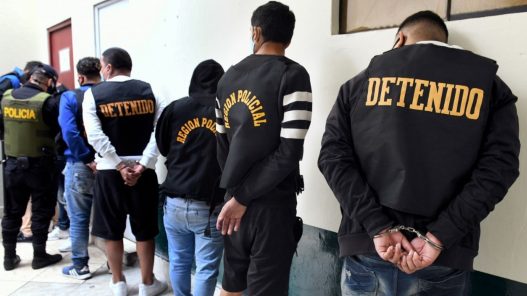
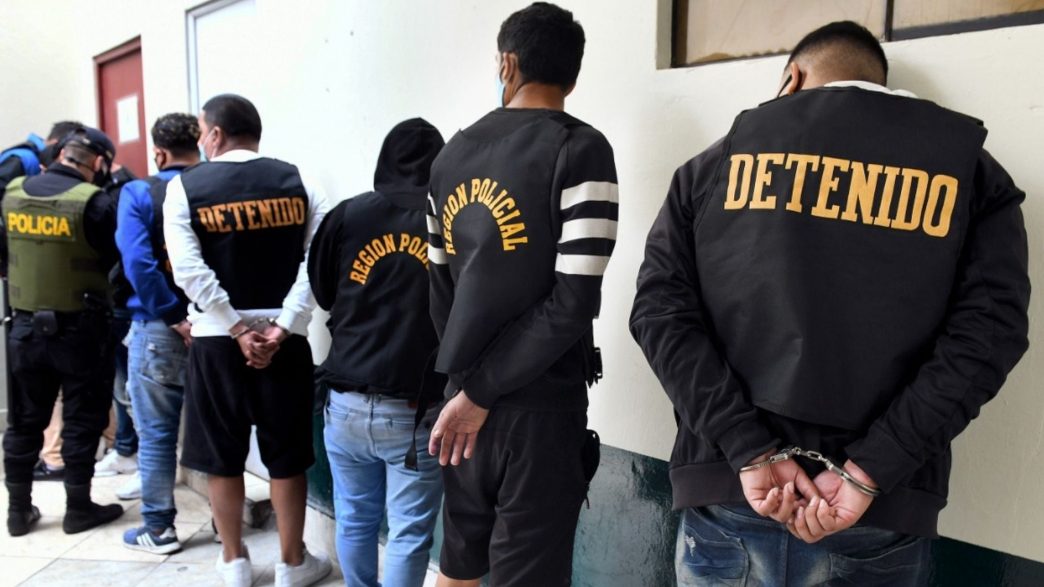
The Government of Peru is evaluating the implementation of a figure known as ‘hostile groups’ to respond to criminal organizations operating in the country amid a rising wave of insecurity. This proposal arises after a violent kidnapping in Trujillo, La Libertad, where a businessman was captured and four people lost their lives.
The situation prompted a swift governmental reaction. Prime Minister Luis Galarreta defended the need for Congress to grant legislative powers to the Government regarding security. Furthermore, the Executive seeks to strengthen intelligence capabilities and consider new tools to confront these organizations.
The violence recorded in Trujillo has been categorized by Government officials as one of the most serious incidents in the first month of President Keiko Fujimori’s term. The use of sophisticated weaponry and the organized tactics of the criminals have raised concerns about the magnitude of their operations.
The notion of classifying certain groups as ‘hostile groups’ has gained relevance in the security debate. This classification aims to identify criminal organizations that, due to their level of organization and firepower, pose a serious threat to the State. If implemented, it would allow the Armed Forces to intervene according to a specific legal framework.
The concept of ‘hostile group’ is based on Legislative Decree No. 1095, which regulates the actions of the Armed Forces in internal conflict. The proposal involves a detailed analysis of how to apply this framework to criminal organizations distinguished by their firepower.
Additionally, the Government seeks to enhance the operability of the National Intelligence Directorate (DINI) to anticipate criminal activities and dismantle their structures. It is emphasized that intelligence work must be proactive rather than reactive to be effective.
As these new measures are discussed, the actions of the National Police have come under criticism, particularly regarding their response to the attack in Trujillo. The Commander General of the PNP, Óscar Arriola, has faced questions about his leadership following the incident.
The security crisis has also reached Congress, where reports on governmental actions in response to recent crimes have been requested. This landscape has also reignited the debate over the direction of the Police.
While the Government considers measures that go beyond simply making arrests, there is also an emphasis on striking the economic systems that allow criminal organizations to operate, aiming to block their funding sources and ensure a comprehensive approach to the issue of insecurity.
Source: www.infobae.com