



September started with factors that could favor exchange rate stability in Argentina, with private analysts observing more favorable conditions for the exchange rate in the coming weeks. The gathering of factors includes lower demand for dollars to import energy, a notable flow from the agricultural sector, and a high supply associated with debt issuances.
Seasonality appears to be a key element, particularly with the end of the months of high demand for liquefied natural gas and fuels, which reduces the need for dollars for energy demand. This decrease in demand could relieve pressure on the Free Exchange Market (Mercado Libre de Cambios – MLC) and improve the balance between supply and demand at a critical moment.
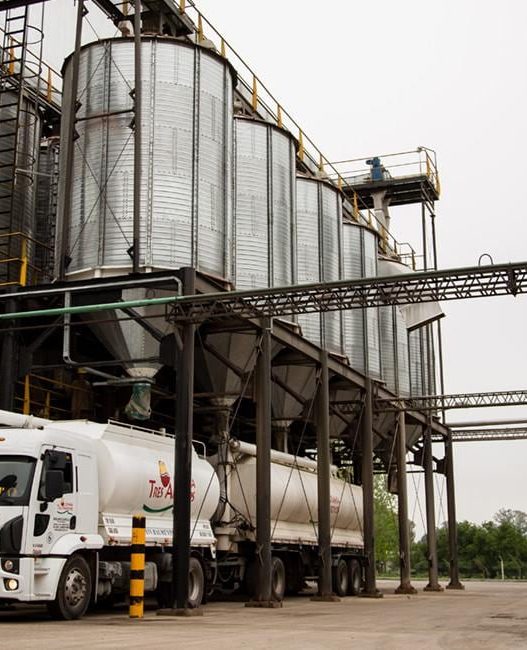
The agro-exporting sector presents an optimistic outlook, as international prices for soybeans and other grains have improved, suggesting that the liquidation level from agriculture will remain significant despite more challenging year-on-year comparisons. The inflow of foreign currency from the agricultural sector is crucial to sustain exchange rate calm during this month.
Additionally, the debt placements of companies and provinces have been injecting dollars into the market, and this channel is expected to intensify. The combination of lower outflows from dividends and a likely slowdown in private demand for foreign currencies related to tourism also contributes to a more favorable September for exchange rate stability.
The report from the Research team at Banco Galicia indicated that, due to the seasonality of gas demand, there is less exchange rate pressure. The province of Buenos Aires has canceled USD 390 million in interest and principal on its dollar bonds, which represents a reduction in demand for dollars in the market. This trend could very well continue in September, with projections suggesting an increasing flow of negotiable obligations in the coming weeks.
Source: www.infobae.com