
The best time to visit Mexico City is the dry season from November to April, when rain is rare, days are sunny and mild, and about 92% of the year’s rainfall is still months away.
This guide gives you the verdict by travel style, a month-by-month weather table, what the May to October rainy season really means, the event dates that fill hotels in late 2026 and 2027, and what the 2,240 m altitude and the spring ozone season mean for your trip. Weather figures are the 1991-2020 climate normals for the Tacubaya Central observatory, the city’s reference station run by Mexico’s national weather service (SMN). Event dates were checked against official sources in November 2026.
Best time to visit Mexico City: the short answer
The best time to visit Mexico City for most travellers is November to April, and the sweet spots are November, early December and March. The table sums up the choice by what matters most to you.
| If you want | Go in | Why | Trade-off |
|---|---|---|---|
| Dry, sunny days | November to April | Under 17 mm of rain a month on average | Cold mornings in December and January |
| Warmest weather | April and May | Average highs of about 26.5 °C | Ozone season, hazier skies |
| Day of the Dead | Late October to 2 November | Altars, parade, marigolds everywhere | Busiest week of autumn |
| Jacaranda bloom | Late February to March | Purple streets across the city | Holy Week and spring break crowds |
| Green parks, mild days | June to September | Highs of 23-25 °C, lush gardens | Rain on 14 to 17 days a month |
If you can choose freely, November is hard to beat: the rainy season has just ended, the air is clear after months of rain and Day of the Dead decorations are often still up in the first days of the month.
Mexico City weather by month
Mexico City weather by month follows one simple pattern: a dry season from November to April and a wet season from May to October, with mild temperatures all year. Average highs stay between about 21 °C and 27 °C in every month, according to the WMO 1991-2020 climate normals for Tacubaya Central (station 76680), compiled by the SMN and archived by NOAA.
| Month | Avg high | Avg low | Rain | Rain days | Season |
|---|---|---|---|---|---|
| January | 20.8 °C | 8.1 °C | 4.8 mm | 1.4 | Dry, coolest |
| February | 23.2 °C | 9.7 °C | 5.2 mm | 1.7 | Dry |
| March | 25.1 °C | 11.2 °C | 9.6 mm | 2.8 | Dry, warm |
| April | 26.6 °C | 13.1 °C | 16.9 mm | 4.7 | Dry, warmest |
| May | 26.5 °C | 13.7 °C | 45.9 mm | 8.9 | Rains begin |
| June | 24.9 °C | 13.9 °C | 108.9 mm | 13.6 | Rainy |
| July | 23.7 °C | 13.1 °C | 133.2 mm | 16.5 | Rainiest |
| August | 23.8 °C | 13.2 °C | 132.1 mm | 16.9 | Rainy |
| September | 23.0 °C | 13.3 °C | 124.4 mm | 14.1 | Rainy |
| October | 22.5 °C | 12.3 °C | 57.2 mm | 8.5 | Rains ease |
| November | 21.8 °C | 10.0 °C | 14.7 mm | 2.9 | Dry |
| December | 21.2 °C | 8.5 °C | 2.3 mm | 0.7 | Dry, cool |
The annual normal is 655.2 mm of rain over about 93 rain days. “Rain days” counts days with at least 0.1 mm, so a rainy-season day often still has long dry spells. On these figures, the best time to visit Mexico City for near-certain sunshine is November to March, the months with fewer than 3 rain days on average.
Mornings and nights are cool all year because of the altitude. Lows of 8 °C to 10 °C from December to February mean a warm jacket for evenings, even when the afternoon feels like spring.
Dry season: November to April
The dry season is the best time to visit Mexico City because only about 54 mm of rain, around 8% of the annual total, falls in these six months combined. Most days bring clear skies, which suits walking tours of the Centro Histórico, rooftop terraces and day trips to Teotihuacan.
The season changes as it goes on. November and December are cool and clear. January is the coldest month, with an average low of 8.1 °C. From February the city warms quickly, and April is the warmest month of the year, with average highs of 26.6 °C.
Late winter and spring are also jacaranda time. According to INIFAP, Mexico’s agricultural research institute, the trees bloom cyclically with the start of spring, though in recent years many have flowered earlier, in winter. Plan on late February to March for purple streets in neighbourhoods such as Roma, Condesa and Coyoacán.
Rainy season: May to October
The rainy season runs from May to October and brings about 92% of Mexico City’s annual rain, with the peak in July and August. Each of those two months averages more than 130 mm of rain on about 17 days.
Rain does not rule out summer, even if it is not the best time to visit Mexico City for outdoor sightseeing. Temperatures stay mild, the parks turn green and the big museums (Anthropology, Frida Kahlo, Soumaya) work just as well on a wet day. Pack a light rain jacket and plan outdoor sightseeing for the morning, then keep a museum or covered market in reserve.
May and October are shoulder months. May is the warmest rainy-season month and gets 45.9 mm of rain, while October has half the rain of September and leads into the Day of the Dead season. For a city break with fewer tourists, late October is a good compromise.
Events and crowds by month
The best time to visit Mexico City also depends on the calendar: the city is busiest around Day of the Dead, the December holidays, the spring long weekends and Holy Week, so book those dates early. The table lists the dates that matter between December 2026 and the end of 2027; rest days follow Article 74 of the Federal Labor Law, as detailed in our guide to Mexico public holidays 2027.
| Date | Event | What it means for visitors |
|---|---|---|
| Saturday 12 December 2026 | Day of the Virgin of Guadalupe | Huge pilgrimage to the Basílica de Guadalupe, road closures in the north of the city |
| Friday 25 December 2026 | Christmas Day | Rest day; many shops and offices closed |
| Friday 1 January 2027 | New Year’s Day | Rest day; long weekend for locals |
| Monday 1 February 2027 | Constitution Day | Rest day; long weekend from Saturday 30 January |
| Monday 15 March 2027 | Benito Juárez’s birthday | Rest day; long weekend from Saturday 13 March |
| Sunday 21 to Sunday 28 March 2027 | Holy Week and Easter | Thursday and Friday are not legal rest days, but school holidays run Monday 22 March to Saturday 3 April |
| Wednesday 15 and Thursday 16 September 2027 | Independence Eve and Independence Day | “El Grito” on the evening of the 15th; the 16th is a rest day |
| Friday 29 to Sunday 31 October 2027 | Formula 1 Mexico City Grand Prix | Race at the Autódromo Hermanos Rodríguez; book hotels early |
| Monday 1 and Tuesday 2 November 2027 | Day of the Dead | Altars, cemetery visits, events across the city |
| Monday 15 November 2027 | Revolution Day | Rest day; long weekend from Saturday 13 November |
| Saturday 25 December 2027 | Christmas Day | Rest day |
The Guadalupe pilgrimage around 12 December brings millions of pilgrims to the city. If you are staying near the Basílica, expect crowds and closed streets that week.
The Formula 1 race dates come from the official Formula 1 2027 calendar. In 2027 the race weekend falls right before Day of the Dead, so late October and early November will be one of the busiest stretches of the year.
Day of the Dead in Mexico City
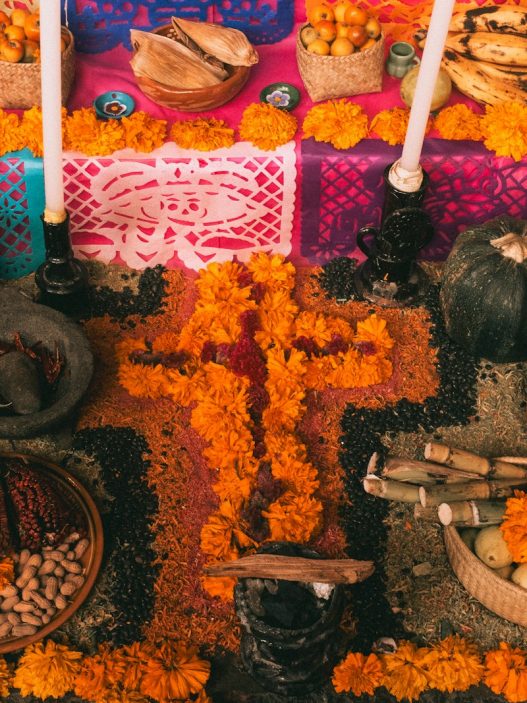
For culture lovers, the best time to visit Mexico City is the Day of the Dead season. The holiday itself is on 1 and 2 November, and the city marks the season with public altars, cempasúchil marigolds and a large parade on Paseo de la Reforma. The parade date changes every year: in 2026 it was held on Saturday 31 October, according to the Mexico City government, and the 2027 date has not been announced yet.
If you want to understand the altars you will see, read when to set up a Day of the Dead ofrenda, which explains what each day of the celebration means.
Altitude and air quality
Mexico City sits at 2,240 m above sea level, high enough for some visitors to feel short of breath, tired or headachy during the first days. The city’s official tourism site, Mexico City altitude advice, recommends drinking extra water, avoiding alcohol and resting often while you adjust.
Air quality matters most in spring. According to the CAMe environmental commission, the ozone season starts around mid-February and ends with the first rains of June. On high-ozone days the authorities can declare an environmental contingency, which adds driving restrictions and advice to limit outdoor exercise. Runners and people with asthma should check the daily air-quality index in those months.
The best time to visit Mexico City for clean air is therefore outside the ozone season: November to January, or the rainy months from late June.
Planning checklist for your trip
Whatever you decide is the best time to visit Mexico City for you, the trip goes smoother if you sort a few practical things before you fly. This short checklist covers the basics for first-time visitors.
- Pack layers. Cool mornings, warm afternoons and a rain jacket from May to October.
- Take it easy on day one. Water, light meals and little alcohol help with the altitude.
- Learn the Metro. It is the fastest way across the city; see the Mexico City Metro hours, fare and card guide, and note that schedules change on Sundays and holidays.
- Know the entry rules. Check them before you fly; our guide to the Mexico FMM tourist card explains how it works.
- Carry pesos for tips. Restaurant tips are customary; see tipping in Mexico for amounts and situations.
- Book event weeks early. Day of the Dead, the F1 weekend, Christmas and Holy Week fill hotels first.
Frequently asked questions
What is the best month to visit Mexico City?
November is the best month to visit Mexico City for most travellers. The rainy season has ended, average rainfall is only 14.7 mm, highs are around 22 °C, the air is clearer and Day of the Dead events often continue into the first days of the month. March is a close second for warmth and jacarandas, but it brings Holy Week crowds and the ozone season.
When is the rainy season in Mexico City?
The rainy season in Mexico City runs from May to October. About 92% of the annual rainfall of 655 mm falls in those six months, according to the 1991-2020 normals for the Tacubaya Central observatory. July and August are the wettest months, with rain on about 17 days each, while May and October are lighter transition months.
Is Mexico City cold in December and January?
Mexico City is mild by day and cold at night in December and January. Average highs are about 21 °C, but average lows drop to 8 to 8.5 °C, so bring a warm jacket or sweater for mornings and evenings, and dress in layers you can remove at midday.
When do the jacarandas bloom in Mexico City?
Jacarandas in Mexico City usually bloom from late February to March, around the start of spring. INIFAP, Mexico’s agricultural research institute, notes that in recent years many trees have flowered earlier, in winter. The exact peak varies from year to year, so a trip in the first half of March gives you the best chance of seeing streets turn purple.
Is the altitude in Mexico City a problem?
The altitude of 2,240 m is not a problem for most visitors, but some feel short of breath, tired or get headaches in the first days. The city’s official tourism site advises drinking extra water, avoiding alcohol and smoking and resting often. Anyone with heart or lung conditions should ask a doctor before travelling.
When is the Mexico City Grand Prix in 2027?
The 2027 Formula 1 Mexico City Grand Prix runs from Friday 29 to Sunday 31 October 2027, according to the official Formula 1 calendar. The weekend falls just before Day of the Dead on 1 and 2 November, so demand for hotels will be high that week. Book early if you plan to attend.
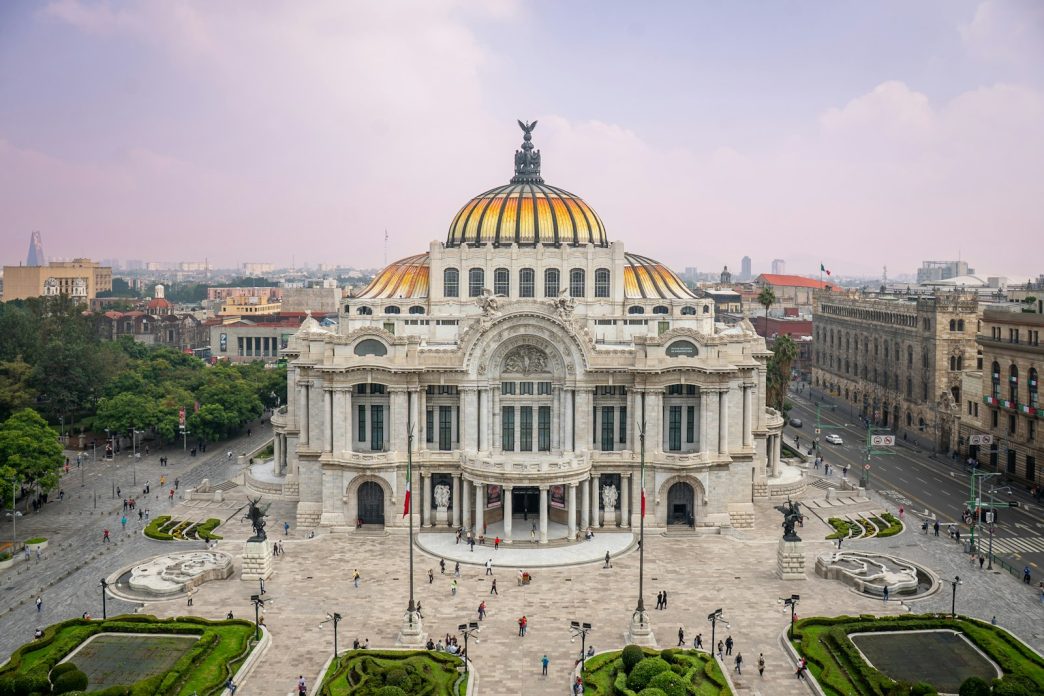
Cover photo: Alexandra Tran / Unsplash