



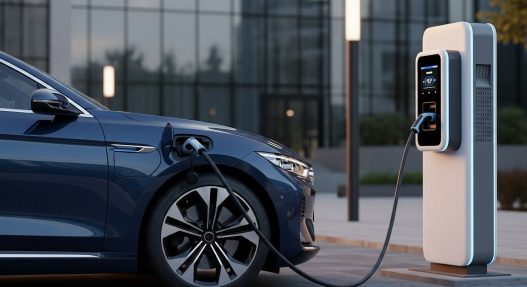
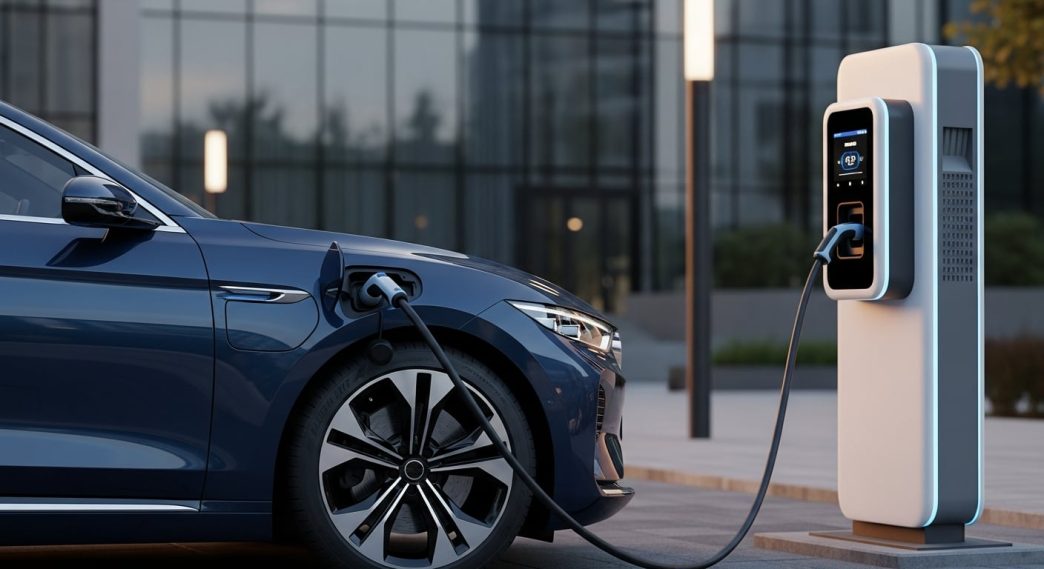
The transition to electric vehicles is gaining traction worldwide, and Argentina is no exception. These cars present an alternative to conventional ones, although they require adaptations from users.
The most notable difference between an electric car and a conventional one lies in its energy source. While traditional cars use gasoline, electric vehicles rely on lithium batteries that store kilowatts. This distinction remains, although in recent years, the prices of electric cars have decreased due to regulations where the government allows the importation of up to 50,000 hybrid and electric vehicles without paying tariffs, thus balancing the market.
Visually, electric cars lack exhaust pipes, produce an electronic hum, and do not need a front grille, which indicates their technology. Economically, the savings in fuel use are significant, with mobility costs being 80% to 90% lower compared to internal combustion vehicles. Additionally, maintenance intervals are longer, extending to every 20,000 kilometers, unlike the 10,000 kilometers required for conventional cars.
Despite their advantages, there are disadvantages, especially related to the battery. One of the main challenges is the time needed for a full charge, which can take from 30 minutes to over an hour, in contrast to the simple filling of a gasoline tank. This suggests a change in usage mentality; users must get used to charging their vehicle during periods of inactivity.
An essential factor for those opting for an electric vehicle is having a charger at home or work, as this allows for efficient charging overnight or while working. Moreover, the cost of electricity may be higher at home than at public charging stations. It is also important to consider the range of the vehicles, which generally does not exceed 400 kilometers, potentially limiting longer trips without stops to recharge.
In conclusion, although electric vehicles represent a viable and more economical option in the long term, their adoption requires a change in driving and charging habits from users to maximize their benefits and adapt to the new realities of transportation.
Source: www.infobae.com