


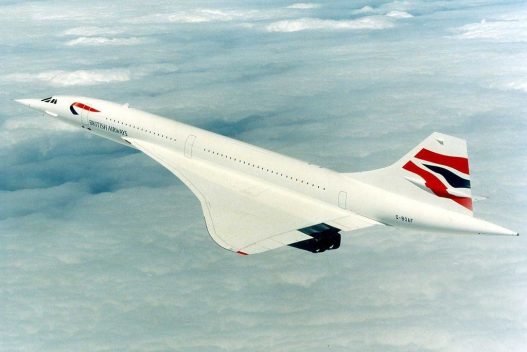
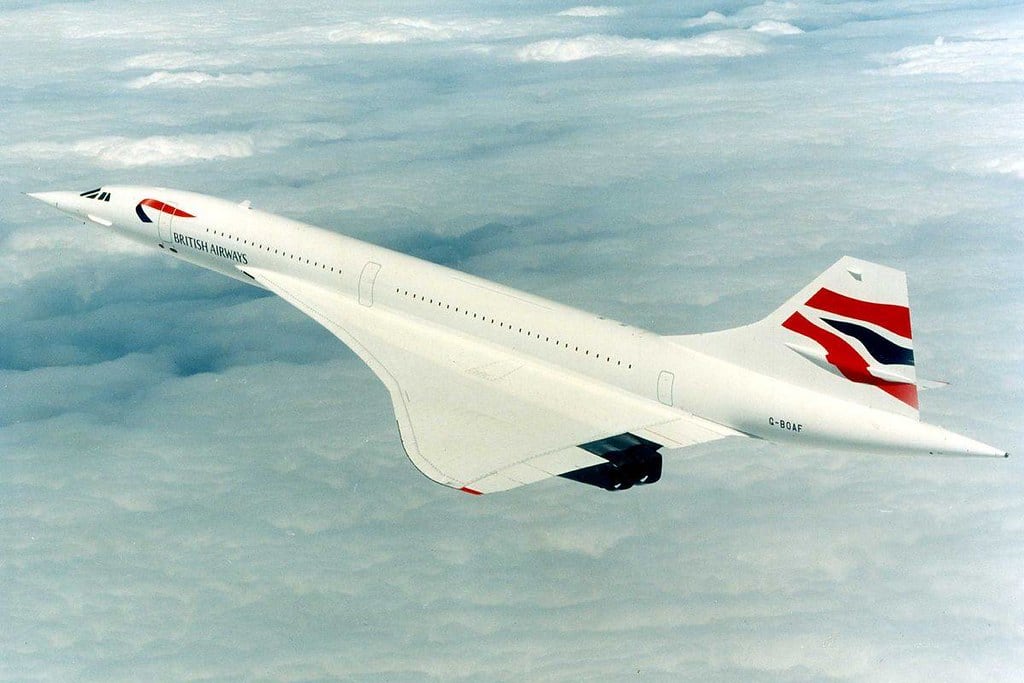
The Concorde transformed commercial flights by reducing the journey from Paris to New York to three and a half hours. This supersonic aircraft, which operated for 27 years, is remembered for its unmatched speed and high fuel consumption.
A typical commercial flight from Paris to New York usually takes at least eight hours, a factor that can deter some travelers. However, the Concorde offered a faster option for those who could afford it, making the journey in approximately three and a half hours.
The Concorde made its first flight on March 2, 1969, and entered commercial service in 1976. Designed by France and the United Kingdom, the aircraft reached speeds exceeding Mach 2 (2,150 kilometers per hour) and flew at altitudes around 18,000 meters. Operated solely by Air France and British Airways, the Concorde primarily connected Europe and the United States. Its last commercial service was on October 24, 2003, on a British Airways flight.
However, the speed of the Concorde came at a high cost. It is estimated that a flight consumed 25,600 liters of fuel per hour, nearly four times what a long-range jumbo jet uses, complicating its economic viability, especially during periods of rising fuel prices. Tickets could reach $10,000, about €8,600, further limiting access for regular travelers.
Additionally, the noise generated by the Concorde’s sonic boom, produced while crossing the sound barrier, significantly restricted available routes, as supersonic flights were required to operate primarily over the ocean.
The famous technological design of the Concorde included an aluminum structure and heat-resistant alloys, capable of expanding considerably when flying at high speed. Its drooping nose improved visibility during takeoff and landing, allowing for safer maneuvers due to its aerodynamic design.
Tragically, the history of the Concorde took a drastic turn after the crash of Air France flight 4590 on July 25, 2000, when the aircraft crashed shortly after taking off from Paris due to a technical failure, resulting in 113 deaths. This incident led to the grounding of the fleet and, although safety improvements were made, the operation of the Concorde never fully recovered.
Today, several companies, such as Boom Supersonic and Hermeus, are working on new projects to restore supersonic flights. The Overture, announced in 2023, could carry 65 to 80 passengers at speeds of Mach 1.7, while the Halcyon could reach up to Mach 5 and cover routes in significantly reduced times.
Source: www.infobae.com