

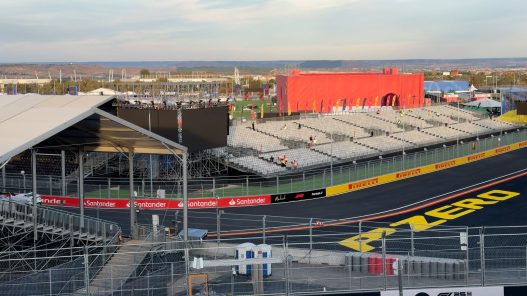
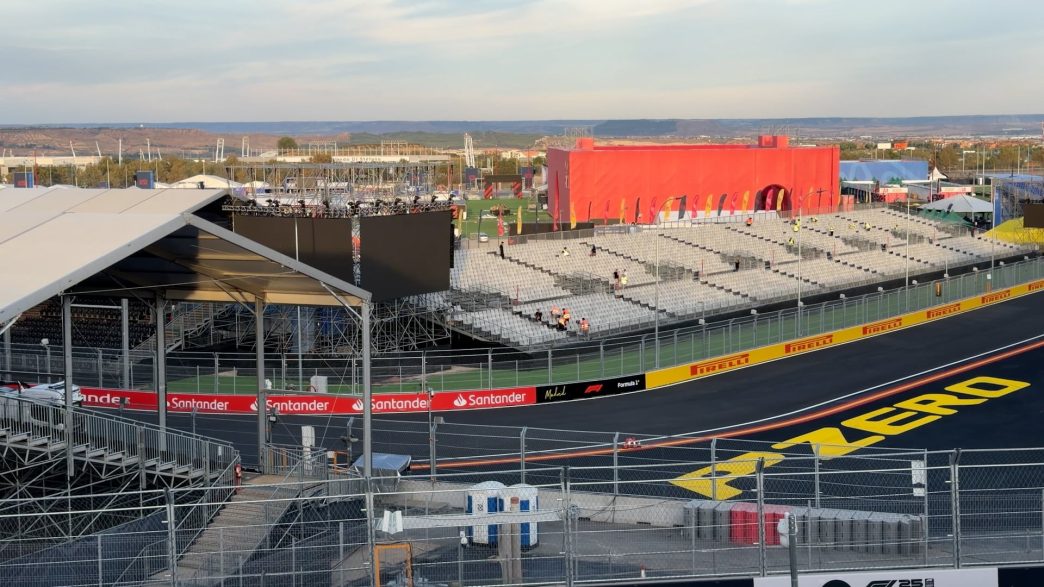
Madrid recently celebrated its Formula 1 event, drawing attention not only for the high-speed action but also for the financial implications.
Prominent figures including Fernando Alonso, Max Verstappen, and Lewis Hamilton showcased their skills at the new circuit. While the local government, led by Isabel Díaz Ayuso and José Luis Martínez-Almeida, asserted that the event incurred «no cost to public funds,» a deeper analysis reveals complexities in the financial narrative.
The organization of the event is managed by IFEMA, which entered into a decade-long contract for the race. This entity reported an expenditure of 125 million euros to construct the circuit, with additional costs owing to Liberty Media, the rights holder for Formula 1. An economic impact report by PwC indicates a projected economic impact of 467 million euros linked to the event.
Despite this significant figure, Benito Pérez, a Doctor of Sports Economics, emphasizes that economic impact does not equate to net profit. While attendees contribute directly to local businesses through spending on accommodation and dining, this direct expenditure generates an indirect economic effect. Pérez notes that each euro spent creates an estimated 3.9 euros in economic activity, constituting a conservative estimate.
Historical comparisons with previous circuits, such as Jarama and Valencia, bring caution to the discussion. According to Pérez, the popularity of the track will determine the viability of recurring events in Madrid, highlighting that if the race fails to engage audiences, the aftermath could mirror the situation in Valencia, where investment led to unfulfilled expectations.
The anticipated impact of 467 million euros has fluctuated, with initial forecasts suggesting over 450 million euros and 8,200 jobs connected to the event. The current estimates indicate that around 8,850 jobs will be created, alongside a fiscal return of nearly 83 million euros.
Costs associated with infrastructure and public services, particularly security and transportation, were also noted as hidden expenses. Constantino Blanco, a spokesperson for the Stop F1 Platform, underscored that the initial claim of zero costs is no longer sustainable. Additionally, the adverse effects of noise pollution, which affected approximately 7,000 residents, must also be factored into the overall assessment.
The contractual agreement for Madrid’s Formula 1 event extends until 2035. Pérez estimates that the investment has the potential to be recuperated within four to five years, pending a thorough evaluation of actual financial results and public interest.
Fuente: www.infobae.com