


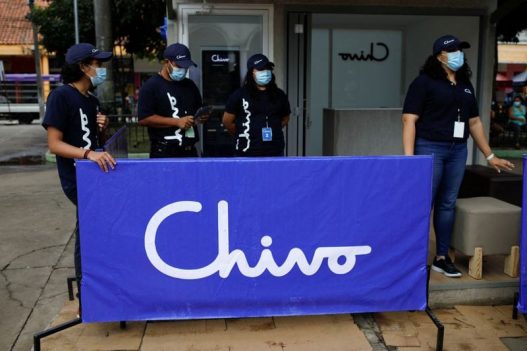
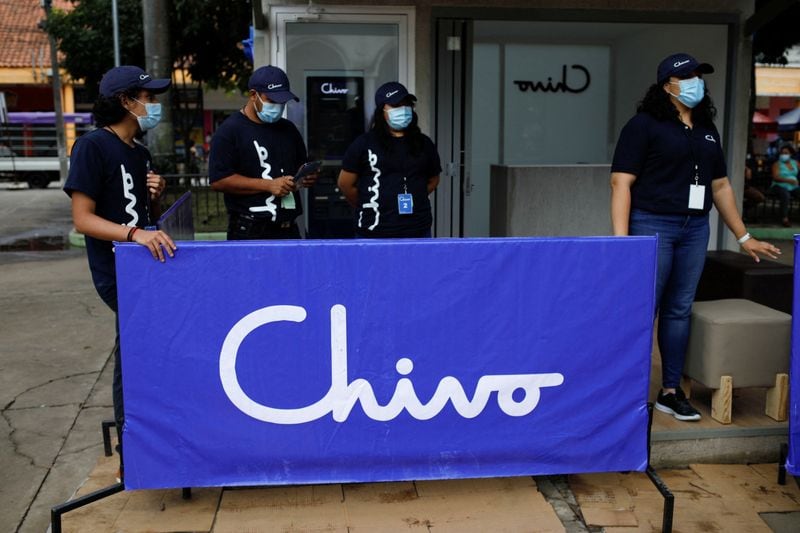
The International Monetary Fund (IMF) announced that the Chivo wallet has transitioned to private control and that the accumulation of Bitcoin in El Salvador comes from donations and not from public funds. This change occurred in the context of the technical agreement for the reviews of the ongoing financial program with the country.
In a statement on September 3, the IMF reported that the Salvadoran government has significantly reduced its involvement in Chivo. Currently, most of the ownership and operational control of the wallet belongs to a private operator, while the state retains a minority share and custody of user assets.
This adjustment is part of the agreed conditions for moving forward with a 40-month agreement under the IMF’s Extended Fund Facility, totaling USD 1.4 billion. Approval from the IMF’s Executive Board and compliance with prior measures are still required to enable a new disbursement of approximately USD 140 million. To date, El Salvador has received 172.32 million special drawing rights.
The Fund also connected this change in Chivo with a series of reforms regarding policies related to digital assets, agreeing to update the legal, regulatory, and supervisory framework in this market. Additionally, there is a push to strengthen governance and risk management mechanisms related to public sector crypto assets.
The Chivo wallet was one of the key elements in President Nayib Bukele’s strategy, who promoted the adoption of Bitcoin as legal tender in September 2021. Since January 2025, the Legislative Assembly has modified legislation to remove the obligation for businesses to accept this cryptocurrency and reduce the government’s role in its promotion.
The IMF has noted that public participation in Chivo has significantly decreased and that efforts will continue to increase transparency regarding Bitcoin holdings under state control. Specifically, the Fund emphasized that the recent accumulation of Bitcoin consists of private donations, and not public resources, thus limiting state exposure to cryptocurrencies within the existing financial framework.
Government data indicates that El Salvador’s Bitcoin reserve exceeds 7,764 coins as of September 3, 2026, valued at around USD 632 million. This discrepancy between the IMF’s information and data from the National Bitcoin Office highlights a point of tension regarding the origin of cryptocurrencies in the national reserve.
The future of disbursements under the IMF’s Extended Fund Facility will depend on the approval of the Executive Board. This program was established on February 26, 2025, for an approximate amount of USD 1.4 billion.
Source: www.infobae.com