


Incorrect use of extension cords can pose a serious fire risk. Connecting certain high-consumption appliances to an extension cord is a practice discouraged by safety organizations and experts, who warn about the dangers involved.
Portable heaters are one of the most dangerous devices when used with extension cords. The Electrical Safety Foundation International (ESFI) has stated that this type of connection is a frequent cause of fires in homes. According to the National Fire Protection Association (NFPA), these devices should be plugged directly into a wall outlet due to their high current demand, which can overheat extension cords.
Air conditioners, both portable and window units, are also on the list of appliances to avoid. The Consumer Product Safety Commission (CPSC) indicates that these units must follow the manufacturer’s instructions to prevent overheating. During startup, the compressor requires a surge of energy that may not be supported by a typical extension, creating a risk of electrical failure.
Small kitchen appliances like air fryers, coffee makers, and toasters, although they seem less demanding, require high power levels. The International Electrotechnical Commission (IEC) states that these appliances can exceed 2,000 watts and, therefore, it is not recommended to connect them to extensions.
Additionally, mini refrigerators, despite their association with low energy consumption, rely on a compressor that draws more electricity when activated. The Occupational Safety and Health Administration (OSHA) warns that extensions are meant for temporary use, and connecting a mini refrigerator to an extension poses additional risks due to its continuous operation.
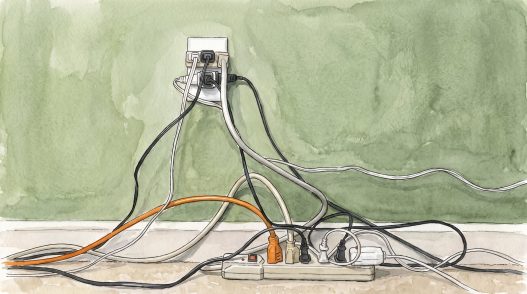
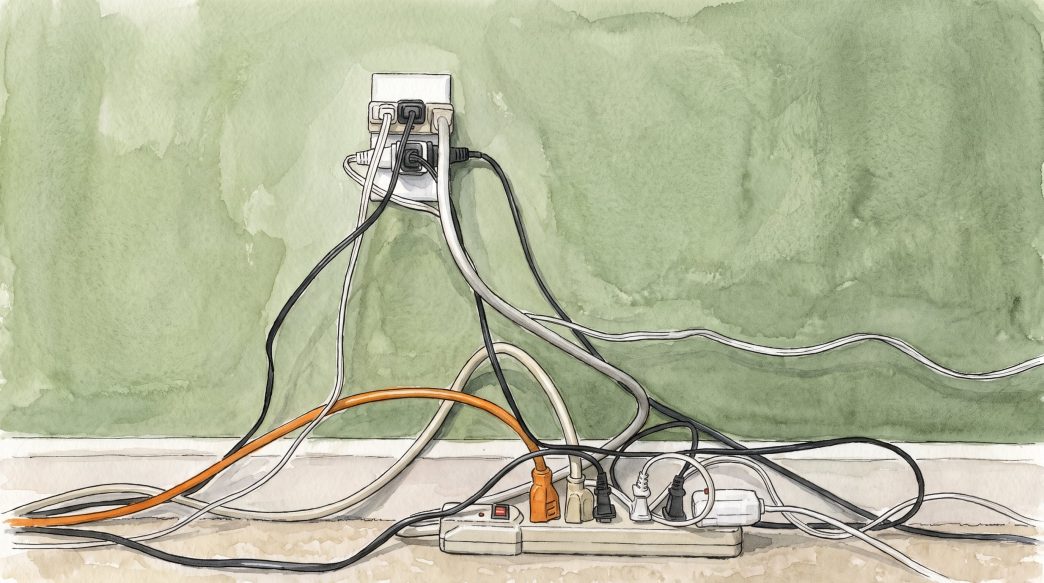
Finally, plugging multiple extensions or using power strips can increase the risk of overheating. The NFPA and the ESFI advise against this practice, known as “daisy chaining,” as it can lead to overloads and reduce the available voltage, affecting the performance of the connected devices. It is crucial to avoid this setup when powering high-demand appliances.
Source: www.infobae.com