




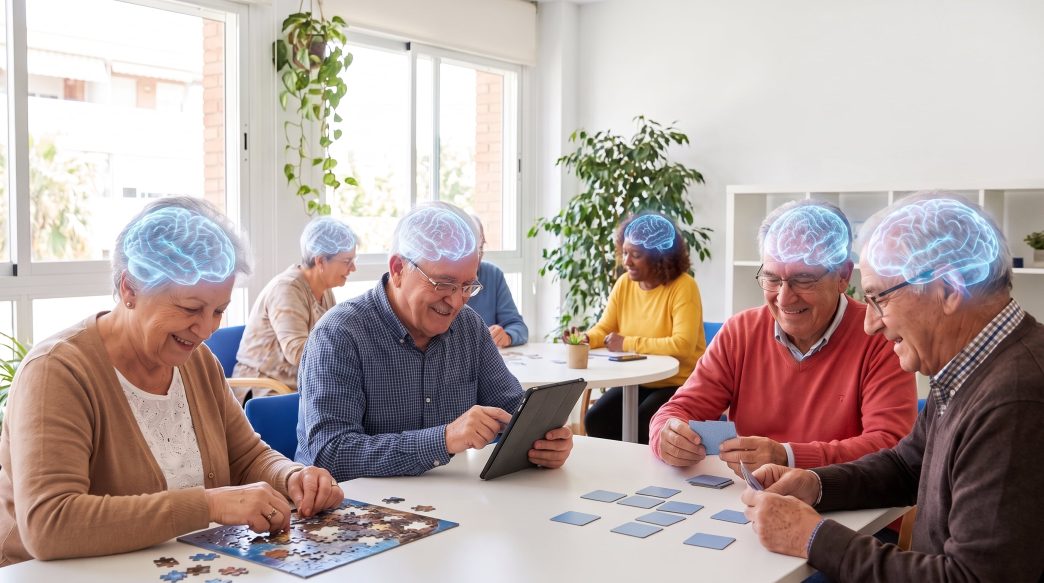
Memory and mental agility require a comprehensive approach that goes beyond crossword puzzles and brain-training apps. Cognitive health specialists suggest combining mental activities with physical exercise and new skills.
The most effective activities for training memory involve a multidimensional approach that integrates physical exercise, active learning, and healthy habits. There is no single exercise that can “train the entire brain,” and the effectiveness of commercial brain training apps in improving everyday memory has been questioned.
According to an article from the Institute of Aging Health, a series of activities are recommended to strengthen cognitive skills. These include regular aerobic exercise, such as brisk walking, swimming, dancing, or cycling, aiming to accumulate at least 150 minutes of moderate activity each week. It is advisable to incorporate strength exercises at least twice a week to promote cardiovascular health and improve cognitive function.
An equally crucial aspect is learning new and challenging skills. This can range from studying a new language to playing an instrument or participating in photography, chess, or programming classes. The key is that these activities are new, progressively difficult, and require continuous attention.
Active information retrieval is vital; it involves trying to explain what you’ve learned instead of simply rereading it. Techniques such as spaced repetition—reviewing information at intervals—are more effective than cramming. Recreational activities involving strategy, such as chess and puzzles, as well as card games or exploration video games, are also beneficial.
Active reading, which involves engaging with the text, and social activity, which fosters conversation and participation in groups, are equally important. A simple weekly plan is suggested that includes, from Monday to Friday, 30 minutes of brisk walking, learning something new for at least 20 to 30 minutes three times a week, and practicing active retrieval daily.
Finally, factors such as adequate sleep, controlling health conditions such as hypertension or diabetes, and medical advice for memory-affecting issues are essential. Memory can be more affected with age, as the brain processes information more slowly, which can hinder learning and data retrieval. This is different from issues that interfere with daily life, where a medical evaluation is recommended, as dementia is not an inevitable outcome of aging.
Source: www.infobae.com