


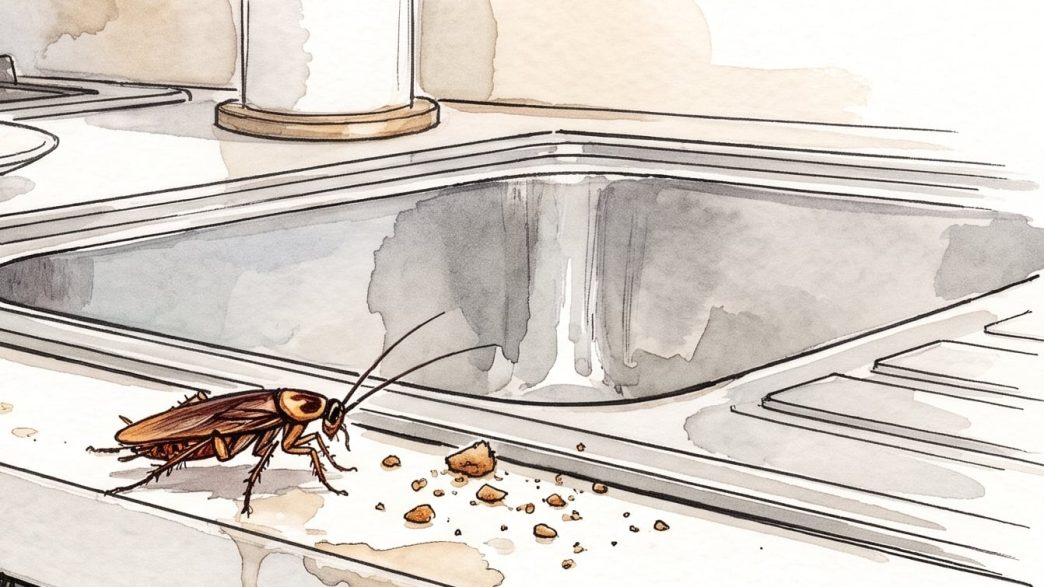
Insects can enter homes through small openings, which can lead to infestations. Sealing the most common entry points is a strategy recommended by the World Health Organization (WHO) and the Centers for Disease Control and Prevention (CDC) to prevent pests in the home.
Doors can allow insects to enter even when closed. If there is visible light at the bottom or sides, ants, cockroaches, and other small insects can get in. The CDC recommends repairing or sealing these cracks to limit access.
Similarly, window frames can deteriorate over time, creating gaps where flying and crawling insects can enter. Screens are also susceptible to tears. WHO notes that these physical barriers are essential to reduce contact with insects.
Pipes and drains, by accumulating water, promote insect presence. Leaks in kitchens and bathrooms provide a favorable environment. The Environmental Protection Agency (EPA) states that eliminating sources of water and sealing entries is crucial for controlling infestations.
Openings around electrical and internet wiring can serve as entry corridors. The CDC advises sealing holes around these services to disrupt insect access.
Dryer vents should also be inspected. Poor sealing or lint accumulation can leave these entries open. The EPA recommends proper maintenance of ventilation systems as part of pest prevention.
The roof area can provide shelter for insect nests, especially in high spaces. WHO emphasizes the importance of sealing refuges and nesting sites close to the home.
Cracks in exterior walls and foundations can facilitate insect entry. Physical exclusion and moisture control are preventive measures recommended by health agencies.
Lastly, luggage, wood, and boxes can be inadvertent vehicles for introducing insects. The CDC suggests checking belongings before bringing them into the home to avoid infestations. In cases of extensive infestations, it is advisable to contact integrated pest management professionals.
Source: www.infobae.com