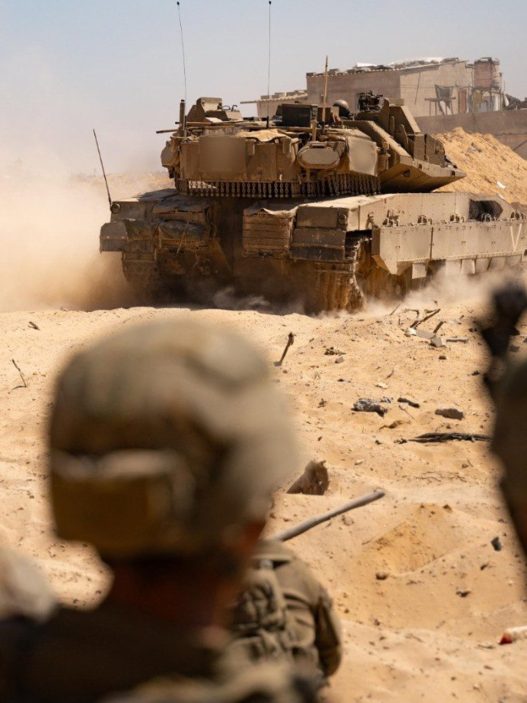



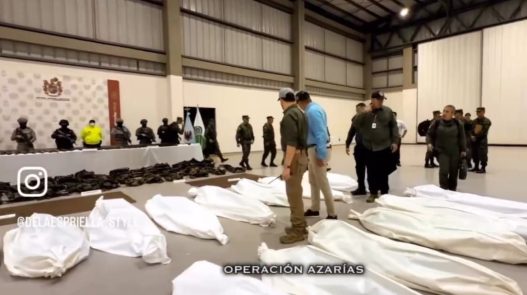
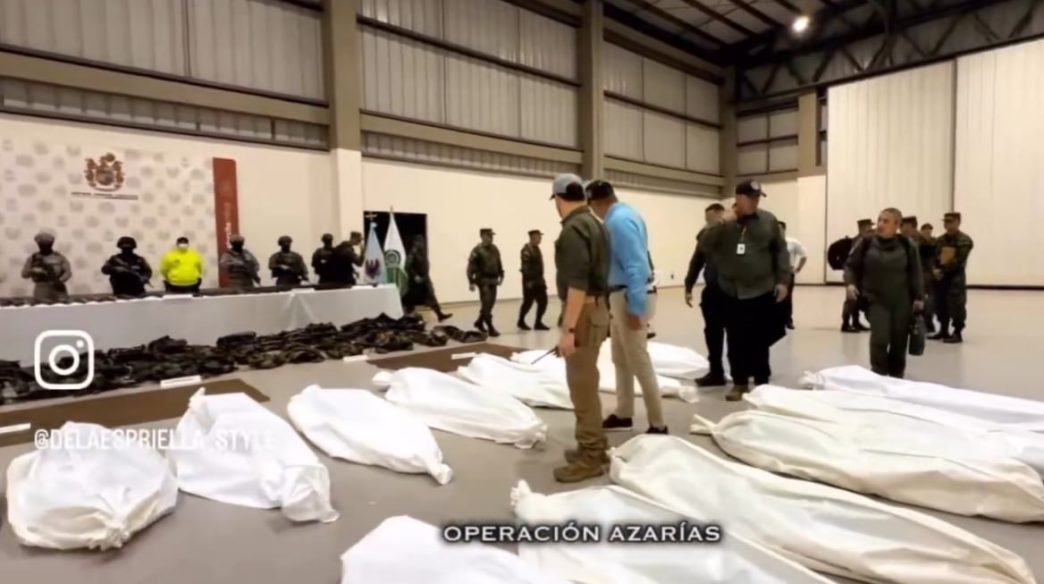
The recent Operation Azarías in Guaviare resulted in the death of 23 combatants from the dissident factions of the Farc, sparking an intense debate about military communication and respect for International Humanitarian Law.
The presence of military leaders at the site, among the bodies of combatants covered with white cloths, has drawn criticism for the way the results of the operation were communicated, led by the head of State, Abelardo de la Espriella. Political opponents, including former president Gustavo Petro, have questioned both the aesthetics of these images and the president’s comments, such as his statement “Long live Christ the King.”
The analysis by Juan Camilo Ubaque, a geopolitical expert, suggests that the dissemination of the results indicates a recovery of the state’s operational capacity and demonstrates an impact on the command structure of armed groups. Ubaque connects this dynamic with the security policy of the current government, stating that highlighting these results is essential to break the control that illegal groups have had over the population in recent years.
The questions raised have also focused on the integration of minors in the camps of armed groups, reigniting the debate about the state’s responsibility and the Armed Forces. Ubaque argues that the presence of minors falls on the armed organizations, not on the military actions of the State, which comply with the principles of International Humanitarian Law.
The discussion surrounding the operation highlights the complexity of the armed conflict in Colombia and the strategic decisions that must be made in the face of the need to protect the civilian population while confronting illegal groups. The operation in Guaviare and its communication represent a milestone in current security policy and raise questions about the methodology and ethics of exposing violence in the context of war.
Source: www.infobae.com