


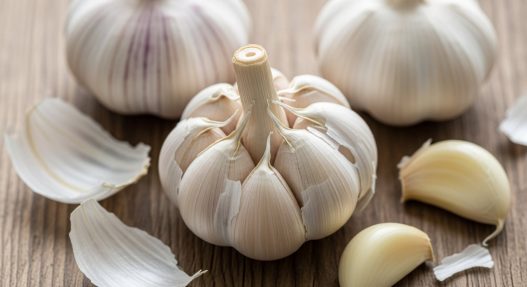
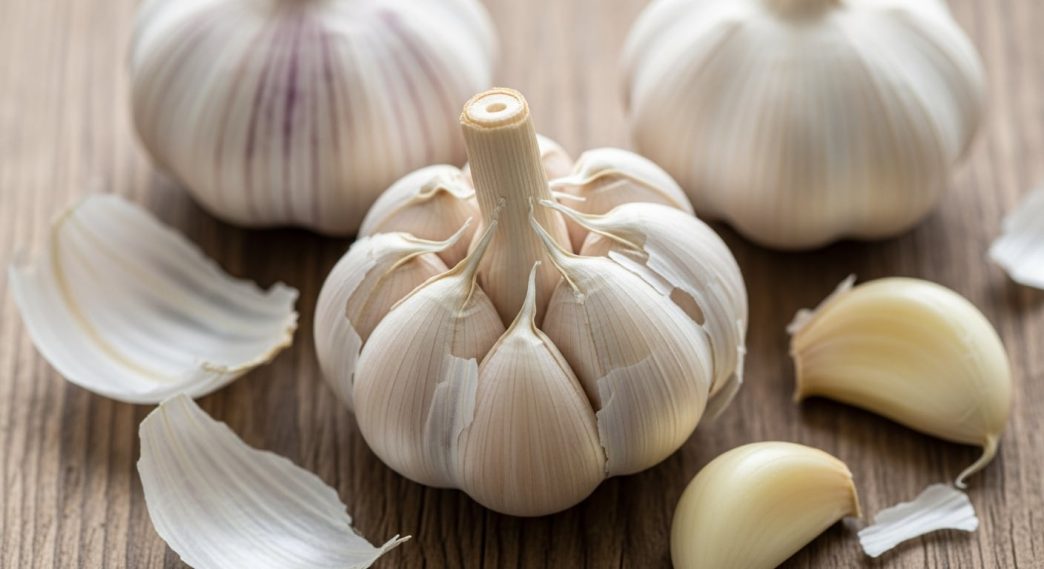
Garlic has evolved beyond being just a simple seasoning, gaining recognition for its health properties that vary depending on its handling. Specialists have reviewed scientific evidence regarding this essential element in various culinary and medical traditions.
Despite being used in small quantities, garlic, a member of the allium family, is composed of vitamins, minerals, and numerous bioactive compounds. Allicin, a compound formed when the garlic clove is chopped, crushed, or minced, is of particular interest due to its antioxidant, antimicrobial, and antiviral effects.
Garlic, closely botanically related to onion and other alliums, contains vitamin C, B6, manganese, selenium, copper, and calcium. However, the portions typically consumed may be insufficient to obtain significant amounts of these nutrients, leading research focus towards the substances present in the bulb. Alliin, stored in the clove alongside an enzyme called alliinase, converts into allicin when both elements come into contact through cutting or crushing the garlic. This chemical process activates important beneficial properties.
Food scientist Bryan Quoc Le explains that allicin interacts uniquely with the body’s oxidation mechanisms, activating antioxidant response systems, a recurring point in the scientific literature on garlic. In addition to allicin, about 200 bioactive compounds have been identified in garlic, which are essential for its study, even at moderate consumptions. Among these are inulin and polyphenols, which are associated with the functioning of the gut microbiota.
Feller indicates that these substances act as a substrate for beneficial gut bacteria, which ferment and produce byproducts that can reduce inflammation in the digestive tract. Furthermore, studies have suggested that garlic and its extracts may increase antioxidant activity and decrease blood sugar levels in diabetic patients, as well as improve the function of certain immune cells.
One of the most researched areas is cardiovascular health. The breakdown of allicin into sulfur-containing compounds has been proposed as a hypothesis to explain these benefits, with studies indicating that consuming garlic may lower cholesterol and blood pressure, and reduce the risk of thrombosis.
A key aspect is that the preparation of garlic directly influences its properties. To favor the formation of allicin, it is recommended to chop or crush it and let it sit for about 10 minutes before consuming. To ensure the effectiveness of the compound, raw consumption is suggested since allicin degrades above 75°C. As for the amount, one or two cloves a day is recommended, and it is suggested to incorporate it into cold sauces or dressings.
However, raw consumption may cause gastrointestinal discomfort in some people, leading to the option of fermentation. This process involves immersing crushed garlic cloves in raw honey, which may enhance the release of polyphenols and preserve allicin. In vitro studies have also shown that fermented garlic may have a superior anticoagulant effect compared to raw or cooked garlic.
Therefore, garlic not only remains a flavoring ingredient, but its combination of culinary tradition and scientific backing continues to garner interest. Understanding how its preparation alters its impact is key.
Source: www.infobae.com