


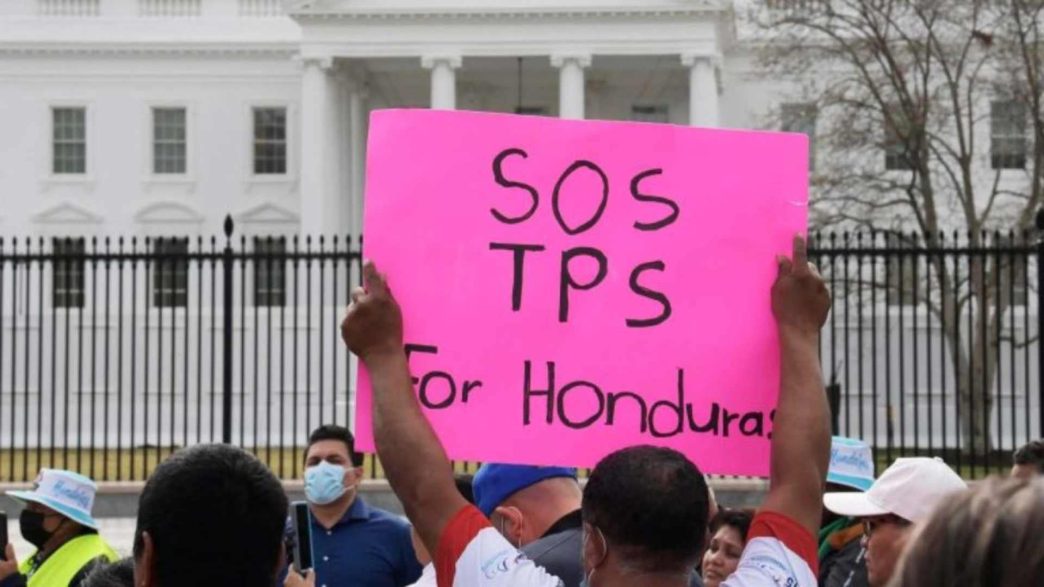
The cancellation of Temporary Protected Status (TPS) could lead to the departure of thousands of Hondurans from the United States, significantly affecting Honduras’ economy.
The projection made by economist Santiago Herrera indicates that this situation could result in a loss of up to $380 million due to a decrease in remittances. Remittances are crucial for the national economy; in 2025, Honduras received approximately $12.1 billion in remittances, which are essential for covering basic needs of thousands of households, including education, health, and food.
The potential forced departure of TPS beneficiaries residing and working in the United States could severely reduce these incomes, impacting both recipient families and various economic sectors that depend on consumption fueled by remittances. For many Honduran families, these transfers represent a vital source of sustenance, and a sustained reduction in these resources could limit their ability to consume and meet economic commitments.
Additionally, the cancellation of TPS poses the challenge of the return of compatriots who have established their work and family lives in the United States. Their arrival would require the creation of conditions that optimize their reintegration into the Honduran labor market, leveraging their knowledge and experiences. This reintegration could be one of the biggest challenges for authorities, who would need to implement policies that promote job creation, encourage entrepreneurship programs, and facilitate the incorporation of returnees into productive activities.
The challenge lies not only in finding employment but also in generating opportunities that allow returnees to utilize the skills acquired during their time in the United States. Specializations, business experience, and technical skills could be a valuable resource for the national economy, provided that there are adequate mechanisms to ease their integration.
In this context, the future appears uncertain for thousands of Hondurans under TPS. For them, the possibility of returning implies a change in their life projects and for Honduras, a preparation to integrate a population that may require employment, housing, and services. Thus, the challenge doubles: to face a potential decrease in remittances and to meet the needs of those returning, which could put pressure on an economy that already heavily relies on money sent from abroad.
In light of this situation, it is crucial for authorities to design proactive measures. The implementation of training programs, access to financing, and support for entrepreneurship could facilitate the transition of returnees and reduce the risk that a lack of opportunities increases the vulnerability of their families. Mechanisms should also be established to identify the professional and technical capabilities of returning Hondurans.
Source: www.infobae.com