


The possibility of Peru facing a gas crisis is reflected in Bolivia’s recent experience, which has shifted from being a major exporter to becoming an importer of the resource. As gas production booms in both countries, questions arise about Peru’s energy self-sufficiency.
For nearly two decades, Peruvians have taken for granted the constant supply of gas, lighting stoves and paying low rates. However, Bolivia, which has been a crucial source of gas in South America, is about to become dependent on imports, a significant change due to a lack of investments in exploration and development of new fields.
The Bolivian Chamber of Hydrocarbons and Energy has predicted that between 2028 and 2030, Bolivia will cease to be self-sufficient in gas, with a notable decline in production from 60.8 million cubic meters per day in 2014 to only 27 million currently. This decline is attributed to a lack of investment in new reserves, resulting in depleted fields.
Peru, for its part, relies almost entirely on a single field: Camisea, which accounts for 96% of the gas consumed in households and about 70% of the gas used in cylinders. Projections indicate that Camisea’s reserves could be depleted around 2040, and the gas destined for export has an even shorter lifespan.
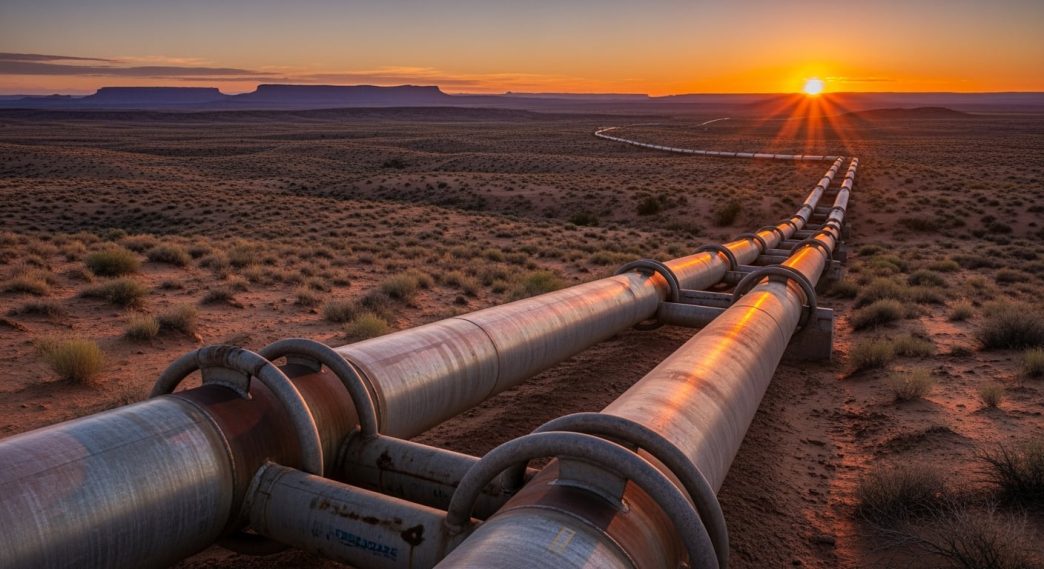
In March of this year, a shutdown in the pipeline operated by Transportadora de Gas del Perú (TGP) led to supply rationing and halted exports, which the Ministry of Energy and Mines termed the most serious energy crisis in two decades. This incident underscores that even a minor failure can have a profound impact nationwide.
Since 2014, no new wells have been drilled in blocks 88 and 56 of Camisea, with the last attempt in 2016 resulting in failure. The recent $100 million investment from Pluspetrol is not aimed at discovering new reserves, but rather at maintaining existing production.
To bring a new well into production, it generally requires at least ten years. With a realistic margin of only three to five years to undertake new projects, the need to act becomes urgent and critical.
If Peru does not initiate new exploration projects, it could face a future similar to that of Bolivia: rising gas prices, supply cuts, and dependence on imports. This challenge will be especially relevant in 2028, when the export contract for Block 56 expires, and the new government will have to decide between prioritizing the domestic market or fulfilling external commitments.
Compared to Bolivia, Peru still has time to act. Energy self-sufficiency requires proactive investments in exploration, and the decisions made today will influence whether there will be domestic gas in the future or a need to revert to imports.
Source: www.infobae.com