


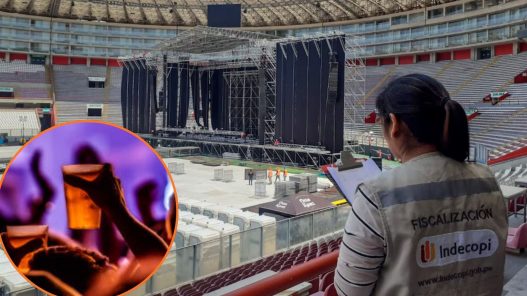
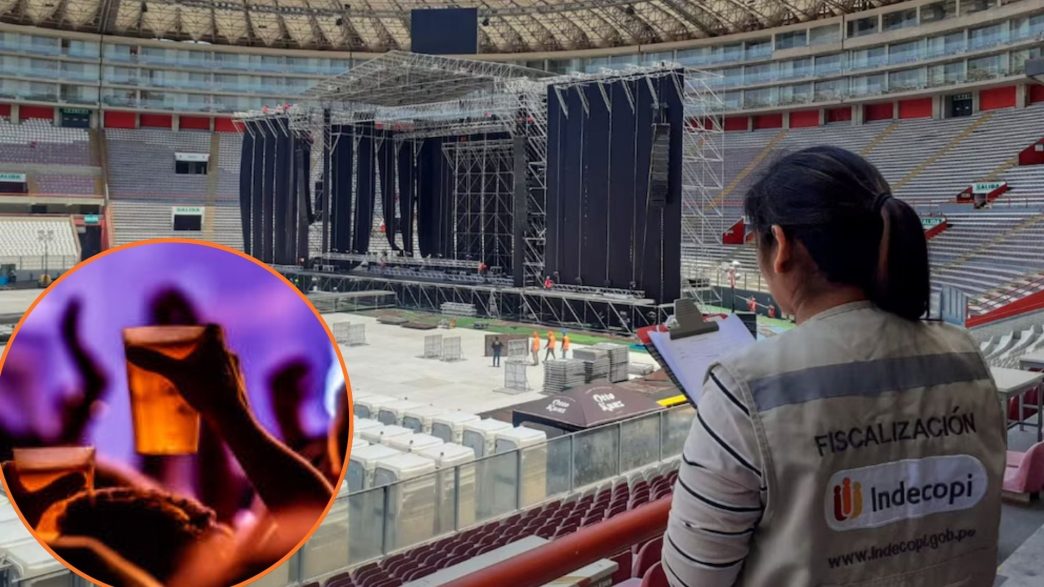
A proposal presented by the Ahora Nación bloc in the Congress of the Republic seeks to allow attendees at concerts and mass events to bring their own water, food, and drinks similar to those sold at the venues. Bill No. 00116-2026-2031-CD, driven by Congressman Ángel Renato Meneses Crispín, focuses on regulating this admission at paid shows with an audience of at least 500 people.
The initiative assigns the National Institute for the Defense of Competition and the Protection of Intellectual Property (Indecopi) the responsibility for oversight and sanction for potential non-compliance. The text also establishes that organizers must allow the free admission of transparent, sealed bottles of water, in addition to providing free hydration points in the venue, which must be marked and accessible based on the capacity.
Additionally, attendees could bring their own food and drinks that are the same as or similar to those sold on-site. However, organizers could prohibit this admission for “objective, justifiable reasons that support it,” although the project does not specify what these circumstances might be.
The proposal also includes the obligation to inform attendees about the characteristics of the permitted products, with a notice at least three days in advance through various communication platforms. This aims to ensure that participants are aware of the access conditions for the events prior to their celebration.
Indecopi will have the authority to enforce supervision and sanctions according to Law 29571, the Consumer Protection and Defense Code. This initiative takes into account precedents of decisions against Cineplanet and Cinemark regarding the prohibition of bringing in products similar to those sold. It is worth mentioning that the regulation would not apply to theatrical events or mass shows organized under economic incentives from the Ministry of Culture (Mincul) that include general restrictions on the consumption of food and beverages. If approved, the regulation is set to come into effect 90 days after its publication in the official newspaper El Peruano.
Source: www.infobae.com