


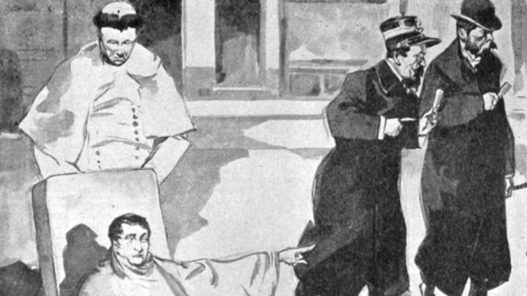
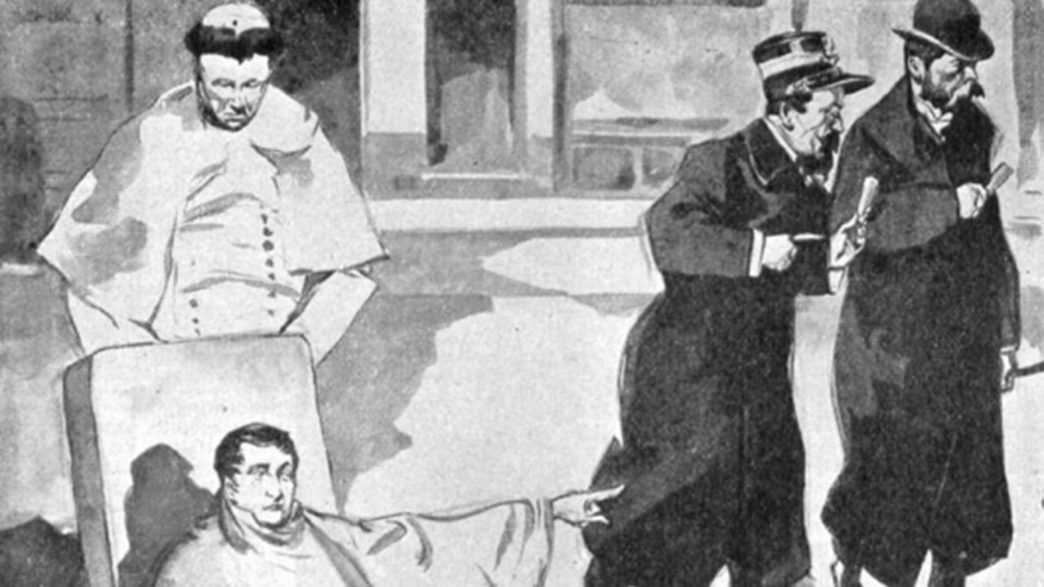
The exhumation of the remains of Manuel Belgrano on September 4, 1902, caused a scandal when two government ministers appropriated teeth from the national hero. This act provoked a strong public and media reaction regarding the disrespect towards his memory.
Manuel Belgrano spent his last days in his family home, located at the current Avenida Belgrano 430. Throughout his life, he suffered from various ailments, including dropsy and rheumatism, and passed away on June 20, 1820, due to heart failure, just days after turning 50. His civic funeral did not take place until July 29, 1821, and he was buried in the courtyard of the Convento de Santo Domingo.
Over the years, President Domingo F. Sarmiento inaugurated a statue of Belgrano in Plaza de Mayo in 1873. Later, President Julio A. Roca ordered the construction of a mausoleum, which led to the exhumation of his remains. This process took place in an atmosphere of expectations, with the presence of several government figures and Belgrano’s relatives.
Upon starting the exhumation, it was discovered that the original coffin had disappeared due to decomposition from humidity. The Ministers of the Interior, Joaquín V. González, and of War, Pablo Riccheri, along with other officials, tried to manage the situation, but the discovery of the skeletal remains was chaotic. Officials took parts of the remains, which caused outrage among those present.
The incident was quickly documented by the press, which criticized the lack of solemnity at the event and the behavior of the ministers. A call was made to return the teeth belonging to Belgrano, arguing that these remains were part of the national heritage and should be respected.
Finally, the remains were returned, and on June 20, 1903, the mausoleum was inaugurated with an official ceremony, highlighted by various infantry and cavalry bodies. Belgrano’s legacy has been recognized in the celebration of Flag Day, established in 1938, ensuring that his memory remains alive in Argentine history.
Source: www.infobae.com