

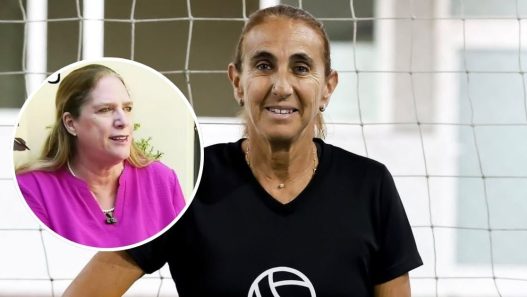
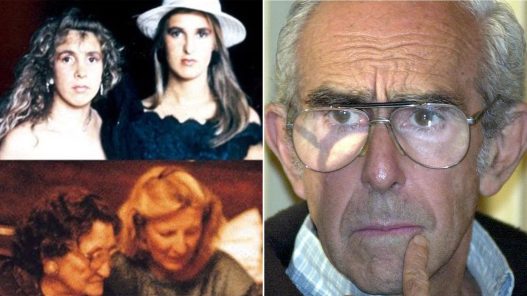
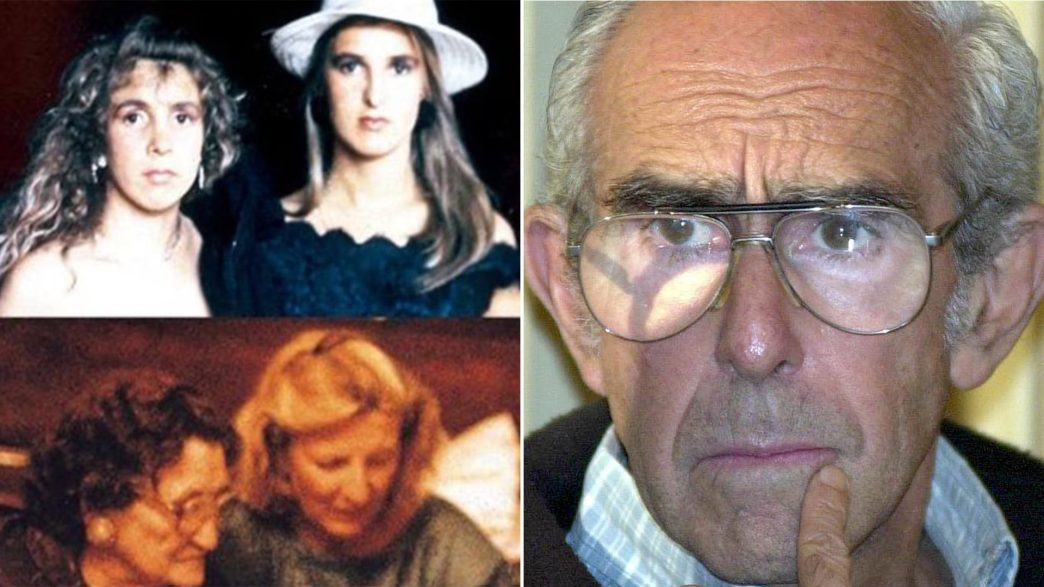
Inés Creimer, friend of Cecilia Barreda, recalls her experiences during childhood amidst the Barreda family, marked by a strange and disconcerting atmosphere before the tragic murders of 1992.
On one birthday, Inés hid under the table upon seeing Ricardo Barreda, her friend’s father. Although she did not witness acts of explicit violence, she absorbed the discomfort caused by his presence. “It was something else,” she recalls, explaining the awkwardness of being watched by an adult making inappropriate comments.
Inés and Cecilia Barreda met at the Normal 1 school in La Plata, and their friendship deepened when their families moved to nearby streets in the same city. Although Raúl Barreda was rarely home, his presence was hard to ignore, generating unease among the young girls. During years of visiting the house, Inés never saw Barreda performing household chores, contrasting with the matriarchal and loving image represented by the grandmother, Elena Arreche.
In Inés’s account, she refers to the distance between Barreda’s daughters and their father. Despite earning her degree in dentistry, Cecilia’s career provoked jealousy in Barreda, who did not want his daughter to follow in his footsteps. Inés recalls moments of complicity and friendship with Cecilia, such as when she had an accident after lending her a motorcycle, an episode that illustrates the character of both.
On November 15, 1992, the crime shocked society. Inés was not in La Plata when it happened, but her first reaction upon learning of the murders was to name Ricardo as responsible, an inexplicable feeling that still haunts her. Barreda shot and killed his mother-in-law, wife, and daughters before turning himself in to the police. In his trial, Barreda crafted a narrative of victimization, being seen by some in society as a symbol of the man who “reacted.”
Although she had left La Plata before the crimes, Inés has faced the repercussions of the case in her everyday life, with disrespectful jokes about the tragedy. The recent release of a film about Barreda opens deep wounds again, highlighting the memory of the victims in a narrative that has often focused on the killer.
Source: www.infobae.com