



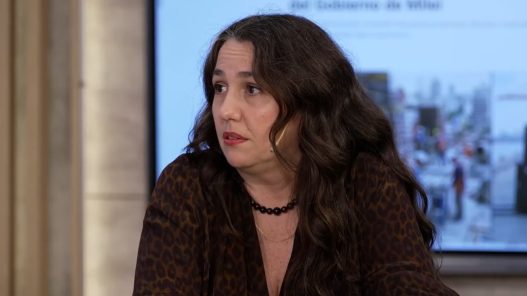
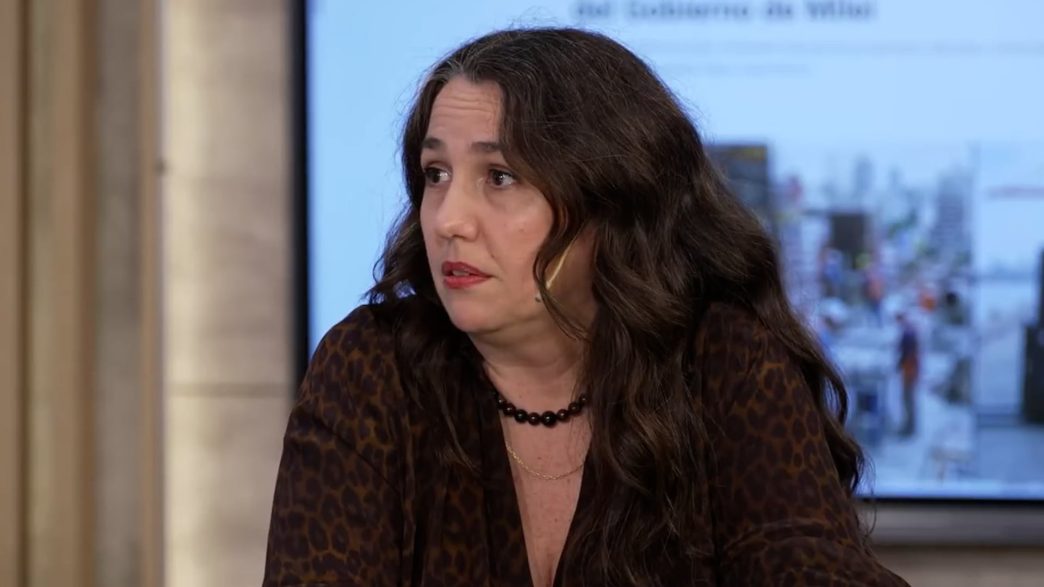
In a recent interview, chef Narda Lepes supported the Front Labeling Law, warning about the interests of the food industry that could influence its possible repeal.
During her conversation on Infobae a la Tarde, Lepes addressed the initiative to amend the current regulation that requires information about excessive critical nutrients in products. The Argentine chef emphasized that any regression in this legislation should be seen as a consequence of commercial interests, not of a technical debate. “It’s not a debate, it’s nothing. It’s business. So, let’s not confuse business with debate or controversy. It’s pure and simple business,” she stated.
Lepes highlighted that the Front Labeling Law, which has been consulted by other countries, is a positive model internationally, and anticipated that changes in the warning system were to be expected. “In all the countries where it has been applied, we were among the last, at some point it changes. And it was known that it was going to happen,” expressing that the potential weakening of the law should not come as a surprise.
In light of the possibility of modifying restrictions for products targeted at children, the chef made a strong statement: “They are going to openly say that we must allow poisoning children again.” She also criticized the marketing of ultra-processed products aimed at this age group, indicating that this increase in consumption is occurring in a context of scant information for families.
When questioned about the distinction between real foods and ultra-processed foods, Lepes emphasized that her concern is not only whether a food is healthy, but whether it can be classified as food. She used the example of a rocket-shaped snack package to illustrate her point. She also described chocotorta as an ultra-processed item, reiterating that enjoying it does not mean banning it, but it must be recognized as such.
Regarding daily nutrition, Lepes encouraged the availability of fresh products, mentioning the importance of Argentine greengrocers. She advised those looking to improve their eating habits to make sustained changes, questioning the need for snacking between meals and suggesting healthier alternatives.
Finally, the chef spoke about preparing lunches for school consumption, emphasizing that these should not be complicated nor more than the organization of simple meals. “Slicing a cucumber and cherry tomatoes, or boiling a round of corn and adding some grated cheese, does not require a lot of preparation,” she concluded, highlighting that home cooking should not be seen as an excessive burden.
Source: www.infobae.com