



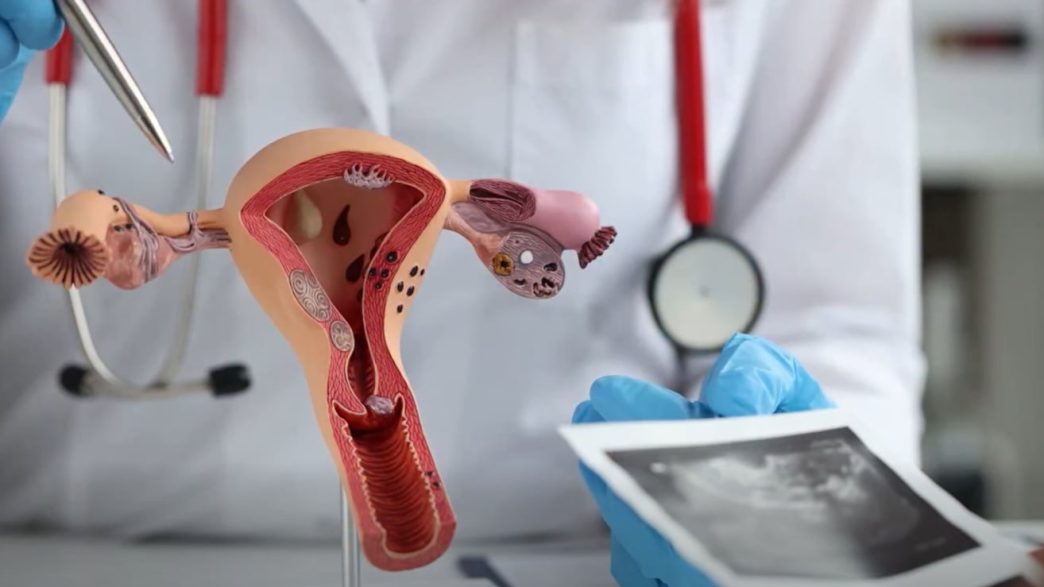
Costa Rica has launched a National Route with the aim of eradicating cervical cancer as a public health problem between 2026 and 2030. The strategy requires all health sector institutions to align in order to reduce a disease that currently causes approximately 270 diagnoses and 138 deaths annually in the country.
The goal is based on the target set by the World Health Organization, which aims to reduce incidence to less than four cases per 100,000 women. Currently, the country has nearly 7.7 cases per 100,000 women. Cervical cancer is the fifth most common type of cancer among women in Costa Rica and the sixth leading cause of cancer death in that population group, being more prevalent in women aged between 30 and 59 years.
The Minister of Health, Alexander Sánchez Cabo, expressed that the new guideline establishes a clear path for the health sector until 2030, emphasizing that a preventable disease must not continue to cause deaths. The strategy focuses on vaccination, screening, and timely treatment.
The roadmap seeks to strengthen four main areas: HPV vaccination, screening, early detection, and proper treatment. Most cases of cervical cancer are related to certain types of the human papillomavirus. According to Sánchez Cabo, “the elimination of cervical cancer as a public health problem is a feasible goal for Costa Rica, but it requires a coordinated and sustained response”.
By 2030, a 90-70-90 target has been set, which includes achieving 90% vaccination coverage for girls under 15 years of age, ensuring that 70% of women undergo a high-precision test before the age of 35 and another before the age of 45, and guaranteeing timely access to treatment for 90% of women diagnosed with high-grade lesions or cancer.
This strategy will be guided by three main axes: promotion and social participation, prevention and comprehensive care, and surveillance, registration, and traceability. This structure is expected to improve information for the population, reinforce vaccination and early detection, expand access to diagnosis and treatment, as well as follow up on existing cases.
The ministry highlighted that this coordination will be essential to address a disease that affects hundreds of women every year. Sánchez Cabo reminded that cancer is the second leading cause of death in Costa Rica and that it is essential to change the perception that this disease is inevitable, establishing its prevention and control as a priority public policy.
Source: www.infobae.com