


The National Assembly of Nicaragua approved a constitutional reform on September 1 that prohibits opposition candidates from running in elections and extends presidential terms to seven years. Costa Rica’s Ministry of Foreign Affairs responded the same day, calling the move a deepening of the «continuous democratic deterioration» in Nicaragua.
The Costa Rican statement, shared on social media, reiterated a call for respect for human rights and the rule of law. It announced that San José would support «a firm and coordinated response» within the framework of the Organization of American States (OEA) at the upcoming meeting of Foreign Ministers to address the Nicaraguan situation.
The reform, passed unanimously in a special session in León, establishes in Article 47 that those classified by the regime as «traitors to the homeland» or «coup plotters» cannot be candidates for elected office. This designation reportedly includes at least 452 opponents and critics unaffected by Daniel Ortega’s and Rosario Murillo’s government, such as writers Sergio Ramírez and Gioconda Belli.
Furthermore, the amendment empowers the Supreme Electoral Council to cancel the legal status of parties funded from abroad, barring the affected parties from participating in political organizations. Additionally, the reform shifts the inauguration date for the co-presidency from January 10 to January 18, in tribute to poet Rubén Darío.
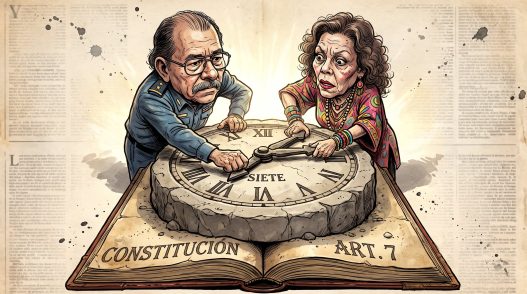
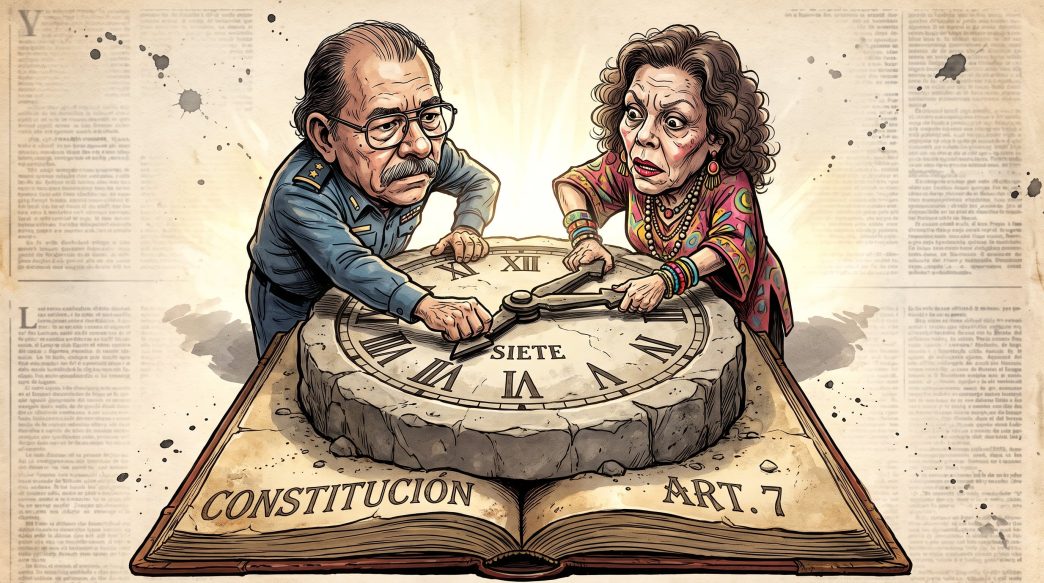
For the reform to take effect, it must be ratified in a second legislature beginning January 18, 2027. This pushes Nicaragua’s general elections, initially scheduled for November 2026, to November 2027, following a previous constitutional modification that extended presidential terms from five to six years and elevated Murillo to co-president.
On July 19, Ortega had stated, «There will no longer be elections in the country with the participation of opposition parties,» according to official records of the reform. A regional response was already underway prior to the Assembly’s vote. On August 19, the Permanent Council of the OEA approved, with 29 votes in favor, the convening of a Meeting of Foreign Ministers to discuss the Nicaraguan crisis, with Brazil voting against and Mexico abstaining.
This gathering is set for September 17, 2026, at the OEA headquarters. Secretary-General Albert Ramdin described the meeting as an opportunity to move «from statements to decisions capable of increasing pressure on Managua,» including potential sanctions and measures for the release of political prisoners. After the reform’s approval, Ramdin expressed an intensified position, stating, «This reform turns the Constitution into a further instrument for excluding dissenting voices.»
Amnesty International and the Inter-American Commission on Human Rights (CIDH) have also warned of potential negative repercussions. Ana Piquer, AI’s Americas director, cautioned that this electoral reform attempts to solidify a system where the state arbitrarily decides who may exercise a fundamental human right. The CIDH had previously alerted that these new measures could entrench indefinite power and eliminate conditions necessary for democratic alternation.
The United States Department of State asserted that the Sandinista National Assembly «eroded the fiction of Nicaraguan democracy” by rewriting the Constitution to entrench what it termed an “illegitimate dynasty.”
Fuente: www.infobae.com